

When Loss Happens Without Warning: Understanding Grief After Sudden Death

By Kimberly Freeman, Registered Counsellor — Shifting Perspective Counselling, Sunshine Coast
TW: Discussion around experiences of sudden death which may be uncomfortable for some, there is no actual discussion of an event or situation.
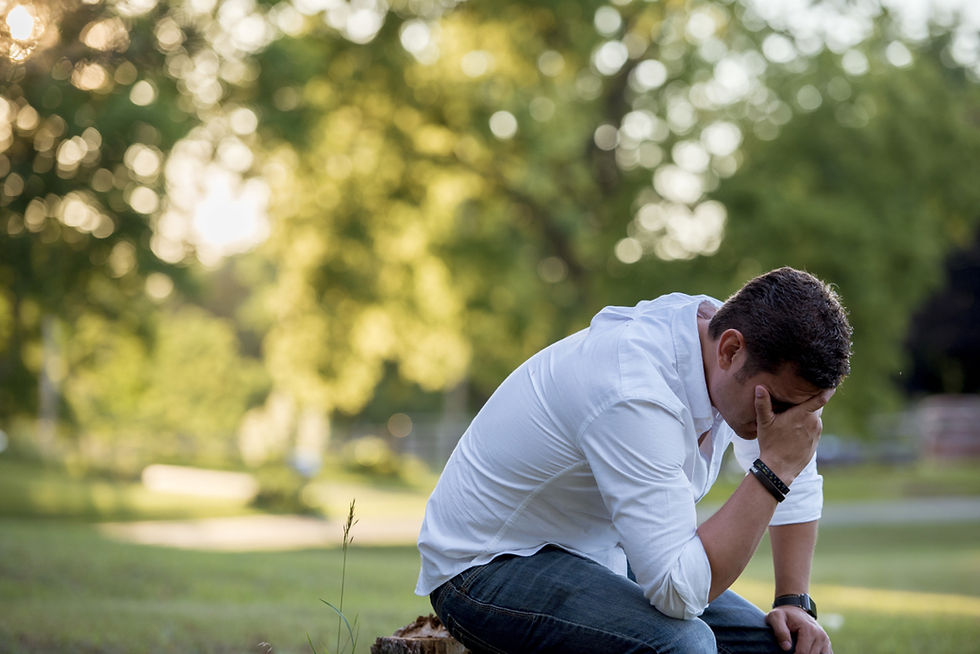
Sudden death shatters the world in an instant. One moment life is moving forward as expected; the next, everything feels different, disorienting, and painfully unreal. Whether the loss happened through an accident, cardiac event, suicide, overdose, medical crisis, or any situation without time to prepare, the shock can leave people feeling frozen, numb, or overwhelmed.
As a counsellor specialising in grief and loss on the Sunshine Coast, I often hear clients say,
“It doesn’t feel real,” “I should have known,” or “It happened so fast."
Sudden death brings a unique layer of trauma, confusion, and unanswered questions that can make the grieving process feel especially heavy and unpredictable.
In this blog, we’ll explore what makes sudden loss so difficult, why your reactions are completely valid, and how support can help you find your way through the shock and pain.
What Makes Sudden Death So Different?
While all grief is painful, sudden death places the brain and body into a state of shock.
There is no time to anticipate, prepare, or say goodbye. This creates a particular type of grief that is both emotional and neurological.
1. Shock and disbelief
The initial response can feel like numbness, confusion, or emotional paralysis. This is the mind’s way of protecting you from the full weight of the pain and is completely normal.
2. Trauma reactions
When experiencing a sudden loss, it isn't just grief we can experience, we can also experience trauma.
People may experience:
intrusive thoughts
flashbacks or replaying the moment they found out
racing heart or panic
difficulty sleeping
avoidance of reminders
These reactions are common when the nervous system has been overwhelmed.
Sudden death often brings hidden layers of grief that can catch people by surprise. If you’d like to explore this further, you may find my article on The Hidden Grief in Divorce and Separation helpful — many people experience similar emotional patterns even in non-death losses.
3. Guilt and self-blame
Many people begin asking themselves:
“Could I have stopped this?”
“What if I had done something differently?”
“Did I miss something?”
These thoughts are painful but normal. They’re the mind’s attempt to make sense of something senseless.
4. No goodbye or final moments
The absence of closure, or the chance to say what you wish you could have said, creates a sense of unfinished connection.
5. A shattered sense of safety
Sudden death disrupts your belief that the world is predictable. This can lead to:
anxiety
hypervigilance
fear of more loss
difficulty trusting life again
All of these are valid and expected responses.
Common Emotional Responses After Sudden Death
Every person grieves differently, but some experiences are very common after an unexpected loss:
Numbness or emotional shock
Anger at the situation, circumstances, or even at the person who died
Deep sadness and yearning
Confusion or difficulty concentrating
Physical symptoms like heaviness, fatigue, or tightness in the chest
Fear for the future
Changes in appetite or sleep
Feeling overwhelmed by practical decisions
Sudden grief is not linear. You may feel stable one moment and devastated the next. This doesn’t mean you’re doing anything wrong — it means you’re human.
Grieving a Sudden Death Takes Time and Support
When someone you love dies suddenly, the healing process often involves two layers:
Processing the trauma of how the loss happened
Processing the grief of losing the person
Both deserve space, compassion, and support.
Therapeutic support can help with:
calming the nervous system
reducing trauma symptoms
navigating guilt and self-blame
making sense of overwhelming emotions
rebuilding safety and stability
finding meaningful ways to honour your person
Counselling doesn’t erase the loss but it can help you move through it in a way that feels supported, grounded, and less alone.
How to Support Yourself After a Sudden Loss
1. Slow everything down
You don’t need to “be strong” or make every decision immediately. Gentle pacing helps your body and brain adapt to the shock.
2. Lean on others — even in small ways
Let people help with meals, childcare, transport, or phone calls. Accepting support is not weakness; it’s survival.
3. Create moments of grounding
Try:
placing your feet on the floor
taking 3 slow breaths
holding a warm mug
stepping outside into fresh air
These small moments help regulate your nervous system.
4. Keep your world simple
Your brain is already working at full capacity. It’s okay to postpone tasks, say no to commitments, and take breaks.
5. Talk about your person
Sharing memories keeps the connection alive and can ease the shock.
6. Seek professional support when you’re ready
A trained grief counsellor can hold space for the trauma, the heartbreak, and the complexity of sudden loss.
You can also read more about how therapy supports healing during major life changes in my blog How Counselling Helps You Find Strength, Clarity, and Healing or you’re also supporting a child or teen who is grieving, this guide may help: How to Support a Grieving Child. Children often express grief differently, especially after unexpected or traumatic loss.
There Is No “Right Way” to Grieve Sudden Death
Your grief may feel messy, unpredictable, or “too much.” You might feel angry one day and numb the next. You might cry unexpectedly, forget things, or feel like your body is carrying too much.
Please know:
Nothing about your reaction means you’re failing.
You’re responding to something that turned your world upside down.
Grief is not about moving on. It’s about learning how to carry the love, the loss, and the memories in a way that feels gentler over time.
If You’re Grieving a Sudden Loss, You Don’t Have to Do This Alone
Many people experiencing sudden loss also find themselves grieving a sense of identity, routine, or certainty. If this resonates with you, my article on Navigating Life Transitions and Grieving Change may offer some helpful perspective.
I offer grief counselling online and on the Sunshine Coast for people navigating sudden, traumatic, or unexpected losses. Together, we can work gently and safely through the shock, the emotional pain, and the questions that feel too heavy to carry on your own.
If you feel you might need support, you’re welcome to reach out whenever you’re ready. I offer gentle, trauma-informed Grief Counselling Sunshine Coast sessions online or in person. You don’t have to navigate sudden loss alone.

Kimberly Freeman
Bachelor's of Psychology, Dip Counselling, Registered Counsellor, founder of Shifting Perspective Counselling, based on the Sunshine Coast, Australia.


Comments